
Exploring the psychological impact of gambling on decision-making behavior
The Psychology of Gambling
Gambling taps into several psychological processes that can greatly influence a person’s decision-making behavior. At its core, gambling activates the brain’s reward system, similar to drug addiction, resulting in the release of neurotransmitters like dopamine. This pleasurable feeling creates a cycle where the individual seeks to replicate the high associated with winning, often leading to irrational decision-making. The thrill of potentially winning big can skew perception, making players underestimate the risks involved. In the realm of online gaming, many players prefer options that offer instant withdrawal casino no verification, ensuring they can enjoy their experience without prolonged waits.
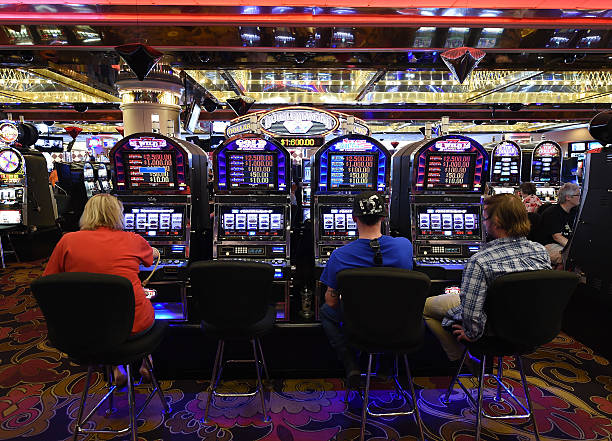
Furthermore, cognitive biases, such as the illusion of control, play a significant role in gambling behaviors. Many players believe they can influence outcomes through skill or strategy, despite the fundamentally random nature of most games. This leads to overconfidence, pushing individuals to make decisions that are not grounded in reality. Over time, this can culminate in problematic gambling behaviors, where the player continues to wager more in the hope of regaining losses.
Emotional states are also pivotal in gambling psychology. People often gamble to escape stress, anxiety, or depression, using the activity as a coping mechanism. This emotional attachment to gambling can cloud judgment, causing individuals to make hasty decisions during high-stress moments, such as betting larger amounts than they can afford. Understanding these underlying psychological factors is essential for recognizing when gambling shifts from a recreational activity to a detrimental habit.
Decision-Making in Gambling
Decision-making in gambling is heavily influenced by the desire for immediate gratification. Players often face choices that emphasize short-term rewards over long-term consequences, which can lead to impulsive betting. The excitement of potential wins can overshadow logical thinking, resulting in decisions that disregard the fundamental odds of the games. For instance, a player may continue to bet after several losses, hoping for a turnaround, even when statistically unlikely. Such scenarios highlight the importance of choosing platforms where options like instant withdrawal casino no verification are available to streamline the process.
Risk assessment is another critical aspect of decision-making in gambling. Studies show that individuals often misjudge their chances of winning, leading to poor financial decisions. The tendency to chase losses is particularly prevalent, where players believe they can recover lost funds by increasing their bets. This behavior reflects a flawed understanding of probability, further exacerbated by the emotional highs and lows that gambling can evoke.
Additionally, the environment in which gambling occurs can impact decision-making. Factors such as the design of a casino, the presence of peers, and the use of marketing strategies can create an atmosphere that promotes risky behavior. For example, dim lighting and loud noises can heighten arousal levels, making players more likely to take risks. Understanding how these environmental cues affect decisions can provide valuable insights into responsible gambling practices.
The Role of Cognitive Biases
Cognitive biases significantly distort decision-making in gambling. One prominent bias is the gambler’s fallacy, where individuals believe that past outcomes will influence future results. For instance, a player might assume that a slot machine is “due” for a payout after a series of losses, leading to continued betting based on faulty logic. This misconception can perpetuate the cycle of gambling, as players repeatedly invest in the hope of changing their luck.
Another common cognitive bias is confirmation bias, where gamblers seek information that supports their beliefs while ignoring data that contradicts them. A player convinced of their lucky streak may disregard statistics indicating unfavorable odds. This selective perception can result in poor decision-making, as players become more invested in their perceived abilities rather than making informed choices based on reality.
Understanding these cognitive biases is crucial for developing strategies to mitigate their effects. Recognizing the inherent randomness in gambling outcomes can help players make more rational decisions. By actively questioning their thoughts and beliefs about gambling, individuals can break free from these biases, leading to healthier decision-making habits and reducing the risk of developing gambling-related issues.
Impact of Gambling on Personal Life
The psychological effects of gambling extend beyond the individual, affecting relationships and personal lives significantly. Compulsive gambling can lead to financial strain, resulting in conflicts within families and among friends. When individuals prioritize gambling over responsibilities, it can create a rift in interpersonal relationships. This strain often leads to isolation, as individuals may feel ashamed or embarrassed about their gambling habits.
Moreover, the emotional toll of gambling can lead to mental health issues, such as anxiety and depression. The cycle of winning and losing can create heightened emotional instability, making it challenging for individuals to maintain a balanced perspective. Recognizing these patterns is essential for those close to gamblers, as support and understanding can play a vital role in encouraging healthier behavior.
Additionally, the social environment of gambling can foster negative habits. Social gatherings centered around gambling can encourage reckless behaviors and peer pressure, making it difficult for individuals to resist. Addressing these social dynamics is essential to promote a healthier relationship with gambling, emphasizing responsible practices and support systems for those at risk.

Your Resource for Responsible Gambling
Understanding the psychological impact of gambling is vital for fostering responsible gaming behavior. Our website serves as a comprehensive resource for individuals seeking to navigate the complexities of gambling decisions. By providing insights into cognitive biases, emotional factors, and social influences, we aim to equip players with the knowledge needed to make informed choices. We emphasize the importance of recognizing warning signs of problematic gambling behavior and encourage individuals to seek support when necessary.
Our platform also highlights responsible gambling initiatives and tools designed to promote healthier habits. From self-assessment quizzes to links for professional help, we prioritize player welfare and advocate for safe gaming practices. Our goal is to create a community where individuals feel empowered to enjoy gambling responsibly, recognizing the balance between entertainment and the risks involved.
In conclusion, the psychological impact of gambling is profound and multifaceted. By exploring the cognitive and emotional factors at play, we can better understand the decision-making processes that lead to both positive and negative outcomes. Our commitment to responsible gambling ensures that individuals have the resources they need to enjoy their gaming experiences while prioritizing their mental health and well-being.
