
The Role of Luck in Gambling
Luck has long been considered a primary factor in the outcomes of gambling activities, particularly in casinos. When players sit down at a table or approach a slot machine, they often hope that fortune will smile upon them. This belief in luck is deeply rooted in human psychology, where randomness plays a significant role in our perception of chance-based games. Players tend to attribute their winnings to luck and their losses to bad fortune, reinforcing the idea that luck governs the outcomes of their endeavors, especially when they enjoy playing casino online games. This perception shapes the entire gambling experience, leading players to invest not just money but emotional energy into their gaming sessions.
This association with luck can also lead to superstitious behaviors, where individuals develop rituals and habits they believe may increase their chances of striking it rich. For instance, some players might wear specific outfits, carry lucky charms, or even partake in pre-game rituals to sway the odds in their favor. These behaviors illustrate the psychological impact of luck on the gambling experience, highlighting how players often seek a sense of control in an inherently unpredictable environment. Such rituals can be comforting, providing a sense of agency in games where the outcome is fundamentally random.
However, while luck undeniably plays a role in casino games, the actual mechanics often favor the house. This means that, in the long run, the house edge in various games is designed to ensure that the casino ultimately profits. Nevertheless, the thrill of believing that luck can alter outcomes adds to the excitement of gambling, providing players a chance to dream of life-changing wins. Understanding the interplay of luck and skill is crucial for anyone looking to navigate the casino landscape effectively, as it allows players to balance their expectations with the realities of statistical probabilities.
Skill vs. Luck: Defining the Balance
While luck is a critical element in many casino games, skill also plays an important role, especially in games like poker and blackjack. In these games, players can use strategy, statistical analysis, and experience to influence the outcome of their play. Unlike games of pure chance, where luck is the sole determinant of success, skill-based games allow players to make decisions that can significantly impact their results. For instance, knowing when to hit or stand in blackjack can be the difference between winning and losing, showcasing how skill can complement luck and enhance the player’s overall experience.
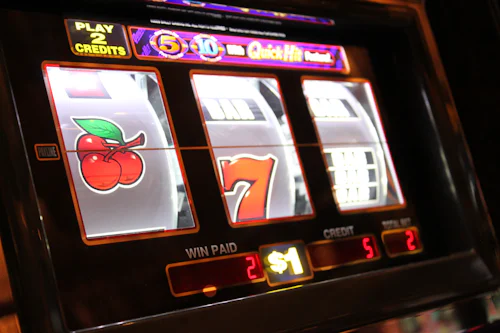
In contrast, games like slots and roulette are heavily reliant on chance, with little that players can do to change the outcome. While players may experience temporary wins due to luck, the house always maintains an edge, ensuring that their long-term profitability is not compromised. This distinction between skill and luck emphasizes the need for players to choose their games wisely based on their own abilities and preferences. Understanding the nature of each game can help players manage their expectations and strategies, allowing them to engage more effectively with the gambling environment.
Additionally, players must recognize that while luck can fluctuate, skill tends to improve with practice and education. Engaging in games that require strategic thinking will not only enhance a player’s enjoyment of the gambling experience but can also lead to more favorable outcomes over time. This balance between skill and luck is critical for anyone who wishes to make informed decisions in a casino environment, as it empowers players to take control of their gaming experience rather than leaving it solely to chance.
The Psychology of Luck and Gambling
The psychology of luck plays a significant role in how players perceive their experiences in a casino. The concept of a “lucky streak” or “bad luck” can profoundly influence a player’s mindset and behavior. Many gamblers believe they can feel when luck is on their side, leading to a phenomenon known as the “hot hand fallacy,” where players assume that success is more likely to continue once it begins. This belief can lead individuals to make riskier bets or push their luck further than they should, resulting in a cycle of betting that may not be sustainable.
Moreover, the emotional highs and lows associated with gambling can reinforce the idea of luck influencing outcomes. Winning can create a surge of excitement and confidence, often leading players to overlook the randomness involved in gambling. Conversely, losing streaks can evoke frustration and desperation, pushing players to chase losses in hopes of a comeback. This emotional rollercoaster can cloud a player’s judgment, leading them to make impulsive decisions that could exacerbate their losses rather than improve their situation.
Understanding the psychological aspects of luck can help players develop a more balanced perspective on their gambling experiences. By recognizing the role of emotions and cognitive biases in their play, individuals can better manage their expectations and make more rational choices. This awareness ultimately enhances their overall enjoyment of casino games, allowing them to engage with a clearer mindset and a greater appreciation for the complex interplay of luck and skill.
The Influence of Environment on Perceived Luck
The environment of a casino can significantly impact how players perceive luck and their overall gaming experience. The vibrant lights, sounds of coins clinking, and the atmosphere create an excitement that can amplify feelings of luck. Players often associate specific locations or times of day with good fortune. For instance, sitting near the entrance or at a specific table may enhance a player’s belief in luck during their gambling session, creating a sense of serendipity that can influence their decisions.

Furthermore, the social dynamics present in a casino can affect perceptions of luck. When players are surrounded by others who are winning, they are more likely to feel a sense of optimism and luck, believing that they too can achieve similar success. This communal aspect of gambling can create an infectious energy that enhances the gaming experience. However, it can also lead to an overreliance on luck rather than strategic thinking, as players may become more focused on the actions and fortunes of others rather than their own gameplay.
Ultimately, the casino environment can sharpen or distort players’ perceptions of luck. As players navigate these spaces, it’s imperative to remain aware of the psychological influences at play and not let the ambiance overshadow sound gambling practices. Recognizing these factors can help individuals engage with the event more critically and responsibly, ensuring that their experiences remain enjoyable and grounded in realistic expectations.
Exploring Strategies in a Luck-Dominated World
While luck is a dominant force in many casino games, understanding and employing strategic approaches can enhance a player’s chances of success. For example, in games where skill is essential, such as poker or blackjack, players can leverage strategies like probability analysis, bluffing, and bankroll management to maximize their wins. These strategies can be effective in controlling their experience, minimizing losses, and increasing the potential for profit over time. This proactive approach can transform the gambling experience from one of passive chance to an active engagement with the game.
Moreover, even in games of pure chance, players can adopt certain techniques to manage their expectations and play more effectively. Setting limits on spending, taking breaks, and establishing win/loss targets can provide a more structured approach to gambling. This way, players can enjoy the thrill of the game while mitigating the risks associated with a luck-dominated environment. By establishing personal guidelines, players can ensure that their gambling remains a form of entertainment rather than a source of stress or financial strain.
It’s also worth noting that engaging with casino offerings, such as promotions or education programs, can enhance a player’s knowledge and strategy. By understanding the games better and applying the right tactics, players can navigate the unpredictable landscape of luck with greater confidence. While outcomes may still be heavily influenced by chance, being informed and strategic can make a difference in the overall gambling experience, allowing players to find enjoyment in the process rather than just the results.
